The pursuit of a perfect, healthy smile has never been more accessible or sophisticated, thanks to advancements in dental technology and a patient-centric philosophy. Modern dentistry, exemplified by practices like "DSA Odontoiatria con il Cuore," is revolutionizing how dental care is delivered, focusing on precision, aesthetics, and the overall well-being of the patient. This approach integrates cutting-edge digital planning, minimally invasive techniques, and a profound understanding of patient needs to achieve exceptional results, from complex orthodontic treatments to the subtle artistry of cosmetic enhancements.
The Digital Revolution in Dental Planning
At the heart of many modern dental practices lies a commitment to precision, often powered by advanced digital technologies. For instance, "Tutte le nostre terapie sono supportate da un Planning Center CAD." This signifies a shift from traditional, manual methods to a digitally driven workflow. CAD (Computer-Aided Design) software allows for meticulous planning of treatments, ensuring that every step is precisely calculated and visualized before any physical intervention takes place.
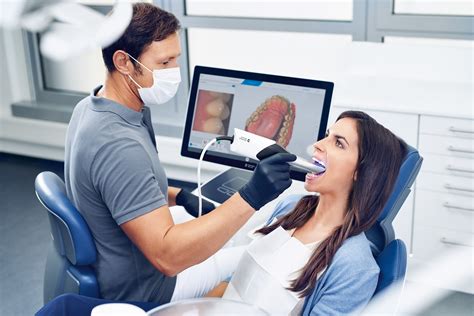
This digital precision is particularly evident in orthodontic treatments utilizing transparent aligners. "Grazie ai rivoluzionari Aligner Trasparenti e a una progettazione digitale preventiva, riposizioniamo i denti nella posizione ottimale." The process begins with a comprehensive diagnostic phase: "Il trattamento inizia con una fotografia, una scansione dentale e una panoramica." These initial steps capture detailed information about the patient's oral structures. The true innovation lies in the immediate visualization of the potential outcome: "Potrai subito dopo vedere un’anteprima del tuo nuovo sorriso." This preview allows patients to see the projected results of their treatment before it even commences, fostering trust and setting clear expectations. Only after this detailed planning and patient approval does the therapy begin, aiming to transform smiles "con grande discrezione e in tempi ristretti."
The benefits of this digital approach extend to patient convenience. The ability to conduct remote check-ups is a significant advantage: "È possibile effettuare controlli a distanza senza bisogno di prendere appuntamenti fisici ma monitorando costantemente i progressi effettuati." This feature is particularly valuable in today's fast-paced world, reducing the need for frequent in-person visits. The nature of these treatments often allows for a significant portion of the care to be managed from home: "Una terapia che può a tutti gli effetti avvenire 'da casa' data l’assenza di urgenze terapeutiche che costringano a visite improvvise in studio." This inherent flexibility underscores a commitment to patient comfort and accessibility.
Crafting the Perfect Smile: Veneers and Aesthetic Prosthetics
Beyond orthodontic alignment, the pursuit of aesthetic perfection often involves cosmetic dental procedures, such as veneers and prosthetics. The philosophy here is clear: "Crediamo che la percezione estetica del proprio sorriso sia di fondamentale importanza." To achieve this, a meticulous approach is employed. A crucial step is "effettuare una prova generale del posizionamento delle faccette, così da poter vedere realmente quale sarà il risultato finale." This "test drive" of the final aesthetic outcome ensures patient satisfaction and allows for any necessary adjustments before the definitive placement.
The primary goal in this area is often to restore lost tooth structure and enhance appearance: "Il nostro obiettivo è quello di ridare al paziente lo smalto andato perduto e lo raggiungiamo attraverso sottilissimi strati di ceramica." The materials used are of paramount importance, and the technique emphasizes preservation. A key technique highlighted is the use of "Faccette Prepless: una tecnica non demolitiva con la quale il dente non viene ridotto ma ricostruito." This conservati ve method avoids aggressive tooth preparation, preserving the natural tooth structure.
The patient's involvement and visualization are central to the process. Before the final veneers are applied, patients can experience a preview: "Vogliamo che il paziente veda in anteprima il risultato finale applicando faccette provvisorie (attraverso un Rendering Estetico) prima di applicare le faccette definitive." This "live" adaptation and optimization of aesthetic needs prior to treatment exemplify a truly patient-centered, conservative approach. These advanced dental veneers are the product of sophisticated digital design: "Le nostre faccette dentali sono il risultato di un manufatto digitalmente programmato all’interno dei Laboratori di AD CARE, lo studio dentistico innovativo a Milano." Their remarkable thinness is a testament to the precision of this digital manufacturing: "Il loro spessore è inferiore a quello di una lente oculare, fino a 0,2 mm."
The application process for these veneers is equally thorough, beginning with "uno studio approfondito del risultato estetico." The treatment proceeds only after "aver ascoltato i desiderata del paziente." The subsequent steps involve taking impressions, creating a "Mock up Definitivo," digital design, and detailed aesthetic study, ensuring a holistic and personalized outcome.
Smile Design Miami by Dr. Cutino at Vida Dental Coral Gables: Smiles Design with Digital Precision
Finding Your Dental Home: Expertise and Comprehensive Care
Choosing the right dental provider is a significant decision. For those seeking dental care in Garlasco, finding a practice that meets all their needs can be a challenge. The DENS dental studio, founded over five years ago by Dr. Marco De Angelis, has established a strong presence with multiple locations across Lombardy. The Garlasco branch, for example, boasts a highly skilled team, including six doctors, an hygienist, two assistants, and a financial director. This multidisciplinary approach ensures that patients have access to a wide range of expertise, including the specialized services of Dr. Luca De Blasi, Dr. Alessandro Peronnia, Dr. Riccardo Lupi, and others.
Dr. Marco De Angelis, a specialist in Oral Surgery and the founder of DENS Italia, also co-founded the Centro Medico Lombardo. His international experience includes a Master's in Oral Surgery from New York University, where he also serves as a tutor for Italy. This blend of national and international expertise highlights a commitment to staying at the forefront of dental advancements.
The DENS clinic offers a comprehensive suite of services, ranging "dall’impiantistica fino all’estetica dentale," addressing both medical and personal patient needs. Their Garlasco clinic aims to be a one-stop solution for all dental requirements, from routine check-ups to complex procedures like root canals. Years of experience have refined their processes, emphasizing not just technical proficiency but also the crucial human element: "Per noi è infatti fondamentale anche il contatto con il paziente, l’ascolto e lo studio dei singoli casi." The overarching objective is to provide the best possible solutions and serve as an all-encompassing reference point for patients. The Garlasco clinic is conveniently located at P.zza della Repubblica 24, a central and accessible location within the community.
Indicators of Quality Dental Care: Navigating Patient Choices
The question of "a chi affidarsi?" (who to trust?) is paramount when considering dental or aesthetic dental treatments. While it can be difficult for patients to definitively assess a dentist's skill, certain general indicators can help guide their decision-making process. The article "perché è difficile riconoscere un dentista bravo?" delves into this complexity, acknowledging that even among professionals, subjective terms like "correct," "perfect," and "quality" can be debated. Factors such as a dentist's specialization, evolving standards of care, and the unique nature of each patient and condition contribute to this difficulty. Furthermore, a dentist's human qualities-communication, empathy, honesty, and transparency-are as vital as technical skill, and can be overshadowed by poor organization or inadequate resources.
Despite these challenges, patients can look for several general indicators:
Registration with the Dental Board: A fundamental requirement is that the dentist is registered with the Albo degli Odontoiatri (Dental Register). This ensures they are legally qualified to practice. A quick online search via the FnOMCeO website can verify a dentist's registration. While registration doesn't guarantee excellence, practicing without it signifies an illegal and potentially unsafe situation. Patients should be wary of individuals offering significantly lower prices, as this can sometimes be linked to unqualified practitioners.
The First Visit as a Diagnostic Tool: A dentist committed to quality will typically conduct the initial consultation personally. Any disconnect between the advertised practice owner and the dentist performing the first visit should raise questions. Key elements to observe during this visit include:
- Time Dedicated: A thorough first visit requires adequate time for examination and discussion.
- Equipment Used: The presence of modern, well-maintained equipment can be indicative of a practice's investment in quality.
- Support Staff: The involvement of a dental assistant can streamline the process and indicate good organization.
- Cost: While free consultations exist, they can sometimes be a tactic to attract patients for upselling. A paid, in-depth initial assessment often signifies a greater commitment to a comprehensive diagnosis and patient relationship. Practices like the one described dedicate around 60 minutes to the first visit, often utilizing intraoral cameras for enhanced patient communication.
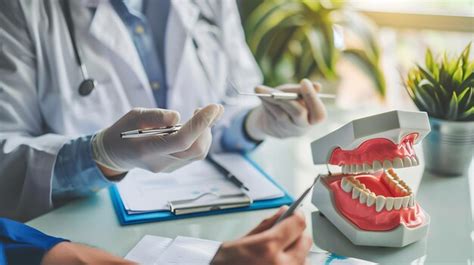
Thorough Clinical and Administrative Documentation: A hallmark of a quality practice is meticulous record-keeping. This includes pre- and post-treatment documentation such as X-rays, photographs, impressions, medical history forms, informed consents, and detailed invoices. This comprehensive documentation ensures appropriate, effective, and safe care. Superficial or incomplete record-keeping can be a red flag regarding the overall quality of treatment. Digitalization and adherence to regulations like GDPR further enhance this aspect.
Emphasis on Oral Hygiene: Before undertaking most dental procedures (excluding emergencies), achieving an adequate level of oral hygiene is crucial. This involves both professional cleaning and patient education on home care. A dentist should assess plaque control and, if insufficient, recommend or perform an oral hygiene session. Performing non-urgent procedures in the presence of significant plaque or tartar without addressing it first warrants patient concern. Professional cleanings should be conducted by qualified hygienists and include detailed instruction on home care techniques.
Use of the Rubber Dam: The rubber dam is a simple yet highly effective tool that isolates the tooth being treated from the rest of the mouth, creating a dry and clean working field. Its use is standard practice in many modern restorative, endodontic, and prosthetic procedures. While its absence doesn't automatically mean poor quality, its consistent use, especially in procedures like fillings and root canals, significantly increases the likelihood of a more precise and durable outcome. Contamination from saliva can compromise the bonding of filling materials and increase the risk of infection during root canals. Practices that routinely employ rubber dams, often without additional charge, demonstrate a commitment to higher standards.
Advanced Techniques like Guided Implantology and Digital Orthodontics: The field of implantology has seen significant advancements, with guided surgery offering enhanced precision and predictability. This involves creating a virtual plan of implant placement using digital scans and software, which is then translated into a surgical guide. While more resource-intensive, it minimizes risks and optimizes outcomes. Similarly, digital orthodontics, utilizing intraoral scanners and software like ClinCheck, allows for precise simulation and visualization of treatment results before they begin. This transparency empowers patients and improves treatment predictability. The adoption of these advanced digital workflows, even when not reflected in higher fees, indicates a practice's dedication to providing superior patient care. The presence of a specialist title, such as "Specialista in Ortodonzia," further suggests a dedicated focus and advanced training in a particular field.
Organizational Excellence: The clinical proficiency of a dentist is best supported by a well-organized practice. Indicators of this include clear communication, qualified support staff (such as certified Dental Assistants), high standards of hygiene and sterilization, adherence to fiscal and safety regulations, positive staff interactions, and efficient digitalization of processes. Punctuality and respect for appointment schedules also reflect organizational competence.
The Commitment of ADC Dental Studio, Milan
Located just steps from the Duomo in Milan, the ADC Dental Studio has been a beacon of professionalism and quality for over 35 years. Situated at Via Speronari 6, it's easily accessible via public transport. The practice is dedicated to providing high-quality dental services to patients of all ages.
The founder and Medical Director, Federica Semplici, specializes in Aesthetic Dentistry, Restorative Dentistry, and Dental Prosthetics. Her philosophy centers on predictable, personalized, and patient-centered care, embracing modern technology while valuing the human touch.
The orthodontic team, led by Federica Semplici, has a particular passion for clear aligners. She holds Apex Diamond certification from Invisalign and was recognized among the top 300 providers globally in 2020. Her long tenure at ADC highlights a deep commitment to the practice and its patients.
Other specialists at ADC include those focusing on periodontal treatment, utilizing advanced technologies like lasers to optimize outcomes and minimize invasiveness. Ignazio D'Agosto, a graduate from the Universidad Europea de Madrid, brings experience in general dentistry and specialized training in endodontics and restorative techniques.
The practice also features specialists in restorative and prosthetic dentistry, including those who have patented innovative techniques like ReSmiling for smile restoration without compromising biological structure. Their work emphasizes creating natural, custom-made veneers.
Collaborating dentists bring diverse expertise, from implantology and maxillofacial surgery with international experience to conservative dentistry, endodontics, and oral surgery. The team also includes dental hygienists dedicated to preventative care and managing oral health, fostering trust and providing personalized solutions.
The commitment to patient education and digital integration is evident throughout the ADC practice, from intraoral scanners for orthodontics to digital planning for various treatments, all aimed at enhancing the patient experience and treatment outcomes.
tags: #dsa #odontoiatria #con #il #cuore